SMEs ask government for late payment protections amid cashflow strains

UK SMEs are owed more than £72,000 in unpaid invoices. According to SME funder Bibby Financial Services, six in 10 report their customers are taking longer to pay than a year ago.
Over the last decade, small and mid-sized businesses have faced a myriad of pressures at present. Brexit anxieties, the pandemic, wars across the Middle East and Europe, heightened inflation and supply chain chaos have relentlessly asked firms to rethink how they do business from one month to the next. All the while, SMEs are seeing their efforts to grow stifled by late payments, with the large amounts owed causing thousands to enter insolvency proceedings each year.
Bibby Financial Services has published new data, which paints a bleak picture of this situation in 2026. A 60% portion of SMEs say customers are taking longer to pay than a year ago, and businesses are now owed an average of £72,000 in outstanding invoices, rising to £143,000 amongst mid-size businesses. In response, as SMEs face growing cashflow pressure, 40% say they have been forced to cut customer payment terms to protect their own finances,
Illustrating the crisis, Keith Fryer, a director of business development at FORT Builder’s Merchant, commented, “More customers are struggling to pay us on time than ever before, often because they’re dealing with late payments themselves. Chasing late payments is a time drain, our time and resources are precious. At the end of the day, we’re a builders’ merchant not a bank. Invoice finance has been vital in providing the cashflow we need to maintain and grow our business despite these challenges. While we’re in the green, we know many who aren’t, when all they need is the right funding, and easier access to it. In some ways, it’s that simple to help small businesses like ours grow.”
Released ahead of the Commercial Payments Bill being passed, and Andy Burnham and John Healey’s first autumn budget due in October, the latest SME Confidence Tracker is based upon research among over 1,000 UK SME owners and decision makers. And according to respondents, poor access to finance is also compounding cashflow issues and further restricting growth.
Among those using or considering financing options, 25% told Bibby Financial Services they had a funding application declined, while 32% have had credit lines reduced by lenders in the past six months. Ahead of the budget, SMEs are seeking further support for late payments, access to finance, and the cost of doing business. A 32% chunk of UK SMEs said they favoured robust and effective late payment legislation by the end of this parliament. Meanwhile, following the new government’s cut to business rates for retail and hospitality sectors, 36% want such measures to be extended to other sectors.
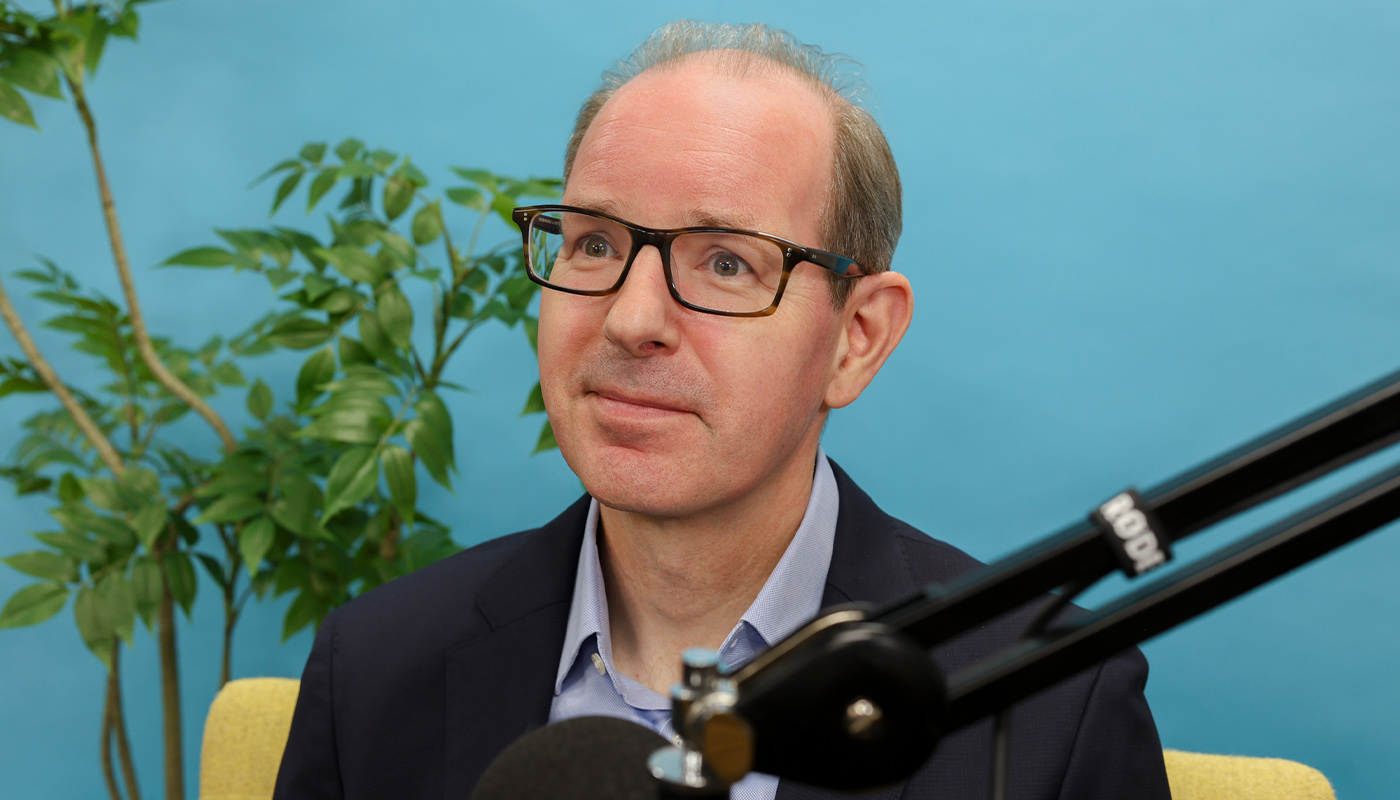
Derek Ryan, CEO for North West Europe at Bibby Financial Services, explained, “Late payment finally seems to be on the government’s agenda with the Commercial Payments Bill, which is encouraging. But SMEs need more support… The new government has a fantastic opportunity to stimulate growth in the economy as we move into the final quarter of the year. SMEs must be at the heart of this. But many are still facing significant challenges relating to the cost of doing business and accessing the funding they need to grow. Addressing late payment is a good start, but it’s essential they have the support they need to adapt to new legislation. If the Government wants to grow the economy, access to finance must also be a priority.”