Aiimi helps Anglian Water identify ‘50 use cases’ for AI-driven innovation

Anglian Water and leading AI experts Aiimi have unveiled the results of a joint AI initiative which they say has delivered important impacts for the water supplier. According to the firms, the 50 use cases for AI tools range from control room staff saving two hours each day on vital shift handovers, to mitigation of multiple pollution events.
Founded in 2007 and based in Milton Keynes, Aiimi is an IT consultancy, which works with clients to modernise legacy systems, and make the most of new technological innovations. As an AI and data insights specialist, the company also offers up a Workplace AI platform, alongside experts which aim to help clients unlock the full value of their data.
Aiimi is no stranger to the utilities sector, too – particularly in water. The firm’s experience in the field includes ongoing collaborations with Yorkshire Water and Northumbrian Water, while the firm’s data and technology services have also been used by Severn Trent, United Utilities and Ofwat.
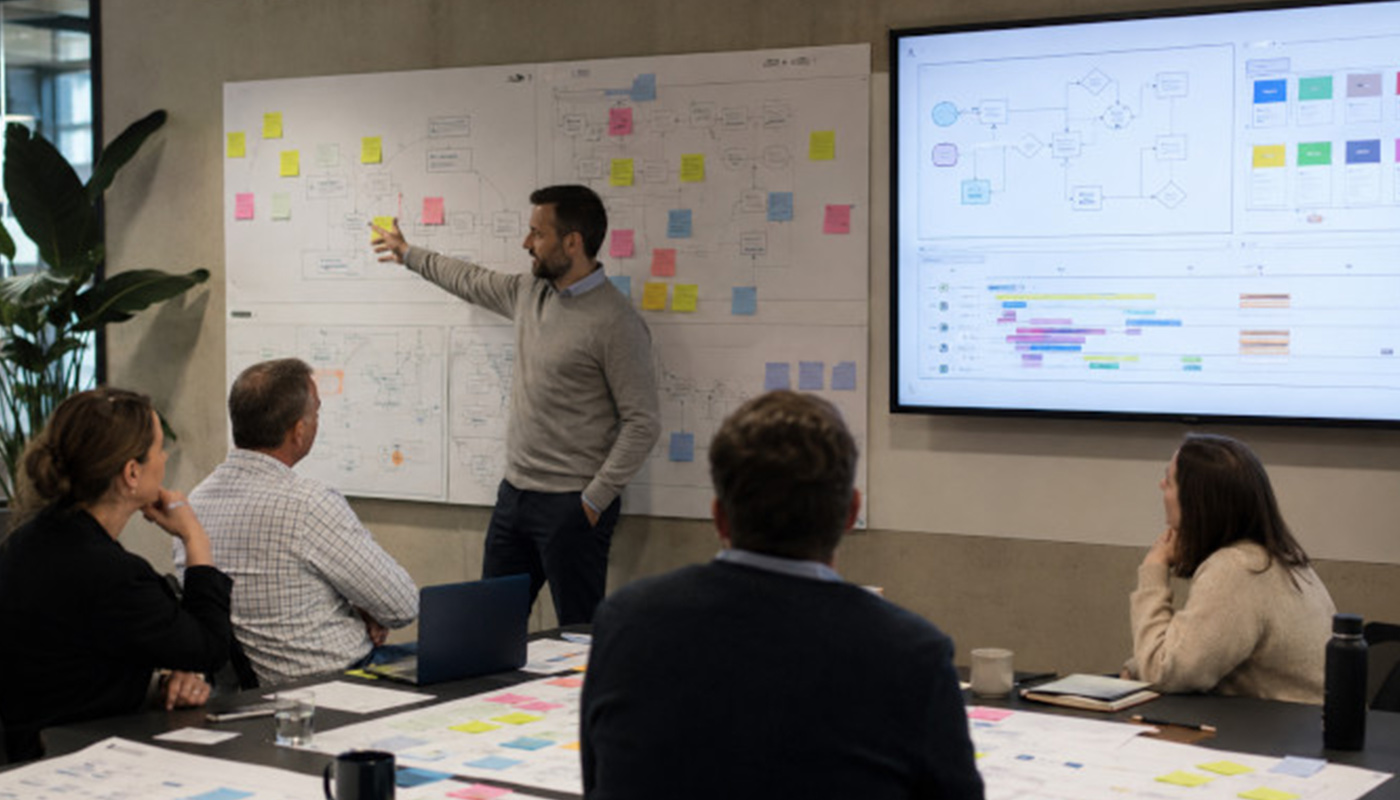
Through the AI Accelerator initiative, which Aiimi helped to implement at Anglian Water, a cross-company team built AI tools and assistants for use across the client. According to a release from Aiimi, this yielded tailored use cases, identified through consultation with the water company’s personnel. The team tracked where positive impact was felt, before scaling successful solutions across the business.
Steve Salvin, CEO at Aiimi, commented, “Off-the-shelf AI tools can drive impact when deployed strategically, but the water industry’s unique challenges and AMP8’s strict targets require tailored solutions. As a forward-thinking organisation, Anglian Water wants business-owned solutions, designed for the specific problems their teams face. Together, we’ve delivered just that: bespoke, company-owned tools addressing their people’s needs. The AI Accelerator has also established an operating model for turning AI opportunities into real solutions, from discovery to delivery – and the results speak for themselves.”
Use cases
Anglian Water asserts that some 50 AI use cases have been developed across the company so far – with AI creating “a pipeline of opportunities to continue improving operational performance, compliance, and customer experience”. While all 50 of the cases have not been publicly identified, two particular examples were confirmed.
First, is the ‘Situational Awareness Solution’, an AI-powered information dashboard designed for control room teams. The tool reportedly turns the non-stop data constantly entering Anglian Water’s control room into critical insights. The fast, reliable decision-making Anglia Water says this supports have delivered a measurable impact of “saving two hours per person per day, mitigating pollution events, and improving compliance scores”, and is now implemented across the business as a microservice, extending its value “beyond a single team or use case”.
Second, the ‘Surfacing Historic Mitigating Actions tool’, provides an AI assistant guiding Anglian Water teams’ approach to live pollution incidents. Anglian Water bills the tool as analysing hundreds of thousands of past events, in a bid to surface “root causes, lessons learned, and people with crucial knowledge in seconds”. In just two months, the firm claims that “one potential pollution event was heavily mitigated using this tool”, while and another was “reduced to zero environmental impact”.
Dave Martin, director of digital, data and technology at Anglian Water, said, “Our longstanding partnership with Aiimi has played an important role in accelerating how we deliver digital change at Anglian Water. I’m therefore delighted they’re leading the charge into the AI era alongside us – building a more resilient, digitally enabled organisation for the long term, with AI that’s designed to work for us. The AI Accelerator has been invaluable in finding opportunities for new tech, making good investment decisions, and scaling solutions that really work.”
Water industry clean-up
The water industry has suffered a barrage of criticism in recent years. Companies have discharged record levels of raw sewage into rivers and coastal waters since the pandemic – while raising bills, and increasing payouts to shareholders, even as they cite the need to put bills up further to improve infrastructure to prevent further sewage discharges.
Amid rising calls for renationalisation, or at least more stringent regulation, firms have turned to technology, in their attempts to stem the tide of condemnation aimed at the water sector. Along with promises of eye-catching AI efficiency savings, this includes hosting ‘innovation festivals’, insisting that the industry is leading the charge in AI and digital adoption across public services.
Anglian Water has been responding to these pressures itself. The company was accused of “not taking polluting seriously” after it registered 12 serious incidents in 2025 – while receiving a “requires improvement” rating by regulators for the fifth year in a row.